
Introduction of PI
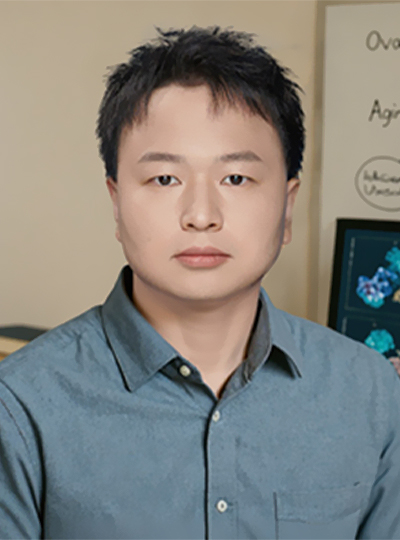
Dr. Chen Jin is an Assistant Professor at the Shenzhen University of Advanced Technology (SUAT) He received his Ph.D. in bioinformatics from the Beijing Institute of Genomics. Following his doctorate, he completed postdoctoral training and was promoted to Associate Research Scientist at Columbia University Irving Medical Center, where his research focused on human ovarian aging.
Dr. Jin has made significant contributions to the fields of aging biology and hematology. His key achievements include:
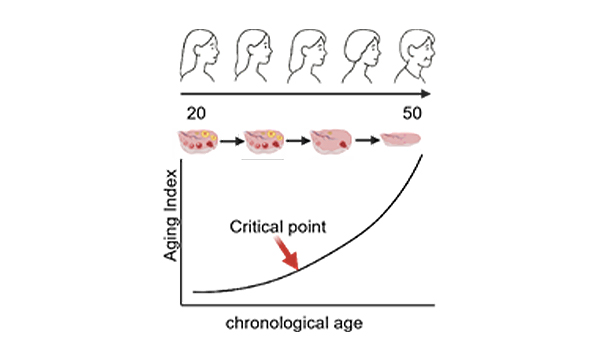
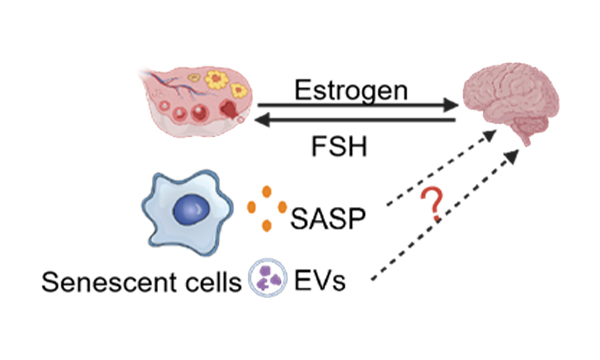
l Human ovarian aging. Dr. Jin led the first single-nuclei multi-omics atlas of the aging human ovary, uncovering an mTOR-centric, cross-cell-type program that coordinates ovarian decline. The study was published as first and co-corresponding author in Nature Aging (2025) and was spotlighted by an invited Nature Aging Research Briefing for its field-shaping impact.
l Megakaryocyte (MK) development. During his Ph.D. training, he (i) identified the RUNX1-NOTCH4 axis that governs MK lineage commitment (Blood, 2018) and (ii) revealed functional diversification of MKs, including an immune-competent subset (Blood, 2021). This work was selected for Best of ASH and China’s top 10 achievements in hematology in 2021.
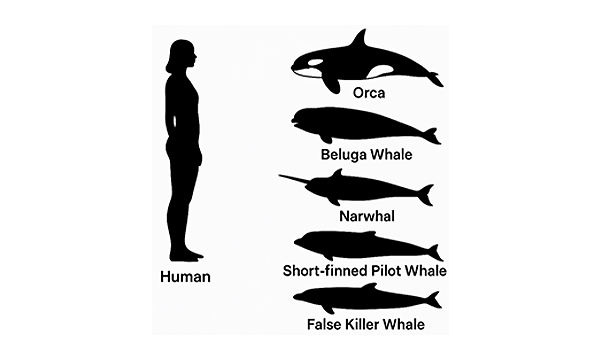
The Jin Lab at SUAT is dedicated to revealing the fundamental principles of human aging. By employing an integrated, multi-scale approach-from molecules and cells to whole-organism physiology-the lab aims to construct a new theoretical framework for aging. This foundational work will establish a basis for developing precise intervention strategies to improve human health.